
Nervous system regulation is something you do. Reset is something you build
There is a lot of talk about nervous system health recently. Something that used to confuse me was the difference between ‘Reset’ and ‘Regulation’. Very often the same topics were being discussed in both and I wondered if they were interchangeable words but a little bit of research taught me that they’re not.
Understanding the difference between nervous system Regulation and nervous system Reset could genuinely change the way you move through your life. Let me explain why. . . .
What Is Nervous System Regulation?
Regulation is about bringing your body back to balance. It's the process of moving from a stressed state to a calm state — and it's something you do in the moment, when you need it most.
Think about the situations that can knock you sideways without warning. You're facing something overwhelming — a job interview, a medical procedure, giving a talk to a room full of people, or you're running late and convinced you're going to miss your flight. Or something unexpected has happened: an accident, being told you're being made redundant, receiving news that stops you in your tracks.
In those moments, something happens in your body that most of us recognise but rarely name. Your emotions come flooding in. You might experience shock, anxiety, the overwhelming urge to run — even when running isn't an option. Your thoughts scatter. You can't think straight. Decision-making feels impossible.
That's your nervous system in a stress response. And that's exactly when regulation comes in.
“Regulation is soothing and stabilising. It’s not a long-term strategy — it’s first aid for your nervous system.”
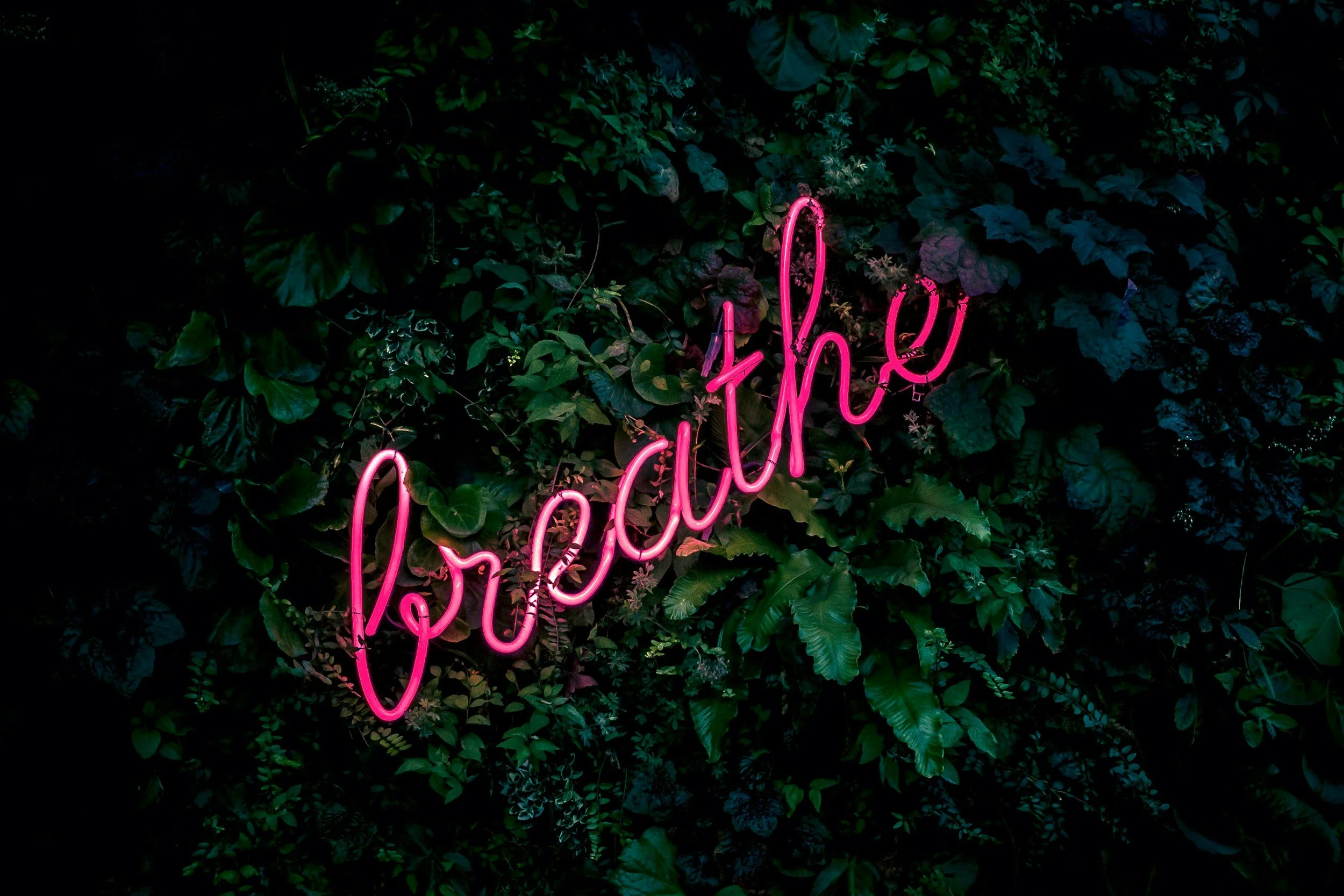
Neon sign of the word Breathe against a background of leavers
How to Regulate in the Moment
When you're in that flooded, overwhelmed state, the goal is to gently bring your system back online. Some of the most effective ways to do this include:
Breathwork — slow, intentional breathing sends a direct signal to your nervous system that you are safe. Even a few conscious breaths can begin to shift things.
Meditation — even a few minutes of guided or silent stillness can help interrupt the stress cycle.
Splashing cold water on your face — this activates the dive reflex and can rapidly slow your heart rate.
Gentle movement — a short walk, some light stretching, or simply changing your physical position can help discharge stress energy from the body.
These practices work because they help switch your prefrontal cortex back on — the part of your brain responsible for rational thinking, decision-making, and problem-solving. When you're in stress, that part essentially goes offline. Regulation helps bring it back, so you can think clearly, make better decisions, and find your way through whatever you're facing.
What Is Nervous System Reset?
If regulation is first aid, then reset is the cure.
Nervous system Reset isn't something you do in a single moment. It's not a technique you pull out when things go wrong. It's a longer, slower process of changing the way you live — so that you can cope better with life instead of consistently reacting to it.
Many of us have been running on high alert for so long that it has become our baseline. We're not just stressed in difficult moments — we're stressed as a default state. Our nervous systems are stuck in survival mode, and we don't even realise it because it feels normal.
A reset is about changing that baseline.
“Reset isn’t a weekend retreat. It’s the accumulation of small daily choices that slowly, steadily shift your system out of chronic stress.”
What a Reset Actually Looks Like
It looks like getting up 15 minutes earlier to practice breathwork or journalling before the day begins — creating a window of calm before the noise starts.
It looks like saying no when you genuinely don't have the time, rather than overcommitting and running yourself into the ground.
It looks like putting down your phone instead of spending endless hours scrolling — because that constant stimulation keeps your nervous system in a state of low-level alertness that it never fully recovers from.
It looks like going to bed at a reasonable time, rather than binge-watching TV until the early hours and robbing yourself of the sleep your system desperately needs to repair and restore.
It looks like going for a walk every day — not as exercise, but as medicine. Movement is one of the most powerful regulators of the nervous system we have.
And it looks like creating a calm environment at home — reducing noise, clutter, and chaos so that your surroundings support your system rather than stimulate it further.
None of these things are dramatic. None of them require a complete life overhaul. But done consistently, over time, they create the conditions for your nervous system to shift. To soften. To reset.

Woman walking in forest with dog
How Do You Know It's Working?
The signs of a reset nervous system are quieter than you might expect. There's no single dramatic moment where everything changes. It's more like one day you notice that you handled something differently than you would have before.
You respond rather than react. Where you might once have snapped, shut down, or spiralled, you find yourself pausing. Breathing. Choosing.
You stay calmer in difficult situations — not because the situations have become easier, but because your baseline has shifted. You have more capacity. More space between stimulus and response.
You feel more grounded and in control. Not in a rigid, white-knuckled way — but in a settled, centred way. Like you trust yourself to handle what comes.
You respond rather than react. You stay calmer in difficult situations. You feel more grounded and in control.
“You respond rather than react. You stay calmer in difficult situations. You feel more grounded and in control.”
So Which Do You Need?
The honest answer? Both. And you probably need them at different times.
In the middle of a difficult moment — use regulation. Breathe. Move. Splash cold water on your face. Do what you need to do to bring yourself back to calm right now.
In the quieter spaces of your life — build reset. Look at your daily habits and ask yourself honestly: are they supporting your nervous system, or are they keeping it in stress? Make one small change. Then another.
Regulation keeps you afloat in the storm. Reset changes the weather.
Your nervous system is not broken. It's responding exactly as it was designed to — to the inputs it's receiving, day after day. The good news is that you have far more influence over those inputs than you might think.
Start where you are. Use what you have. And give your system the care it deserves.
If this resonated with you, share it with someone who might need to hear it too.